

Truck and commercial vehicle accidents
Atlanta truck accident lawyer
When a tractor-trailer, box truck or delivery van hits you, the claim is rarely about one driver. A trucking company, its insurer and federal safety rules can all be part of it, and most of the records that show what happened belong to the company. We take truck and commercial vehicle cases across Metro Atlanta and the rest of Georgia. If the crash involved only cars, our Atlanta car accident lawyer page is the better place to start.

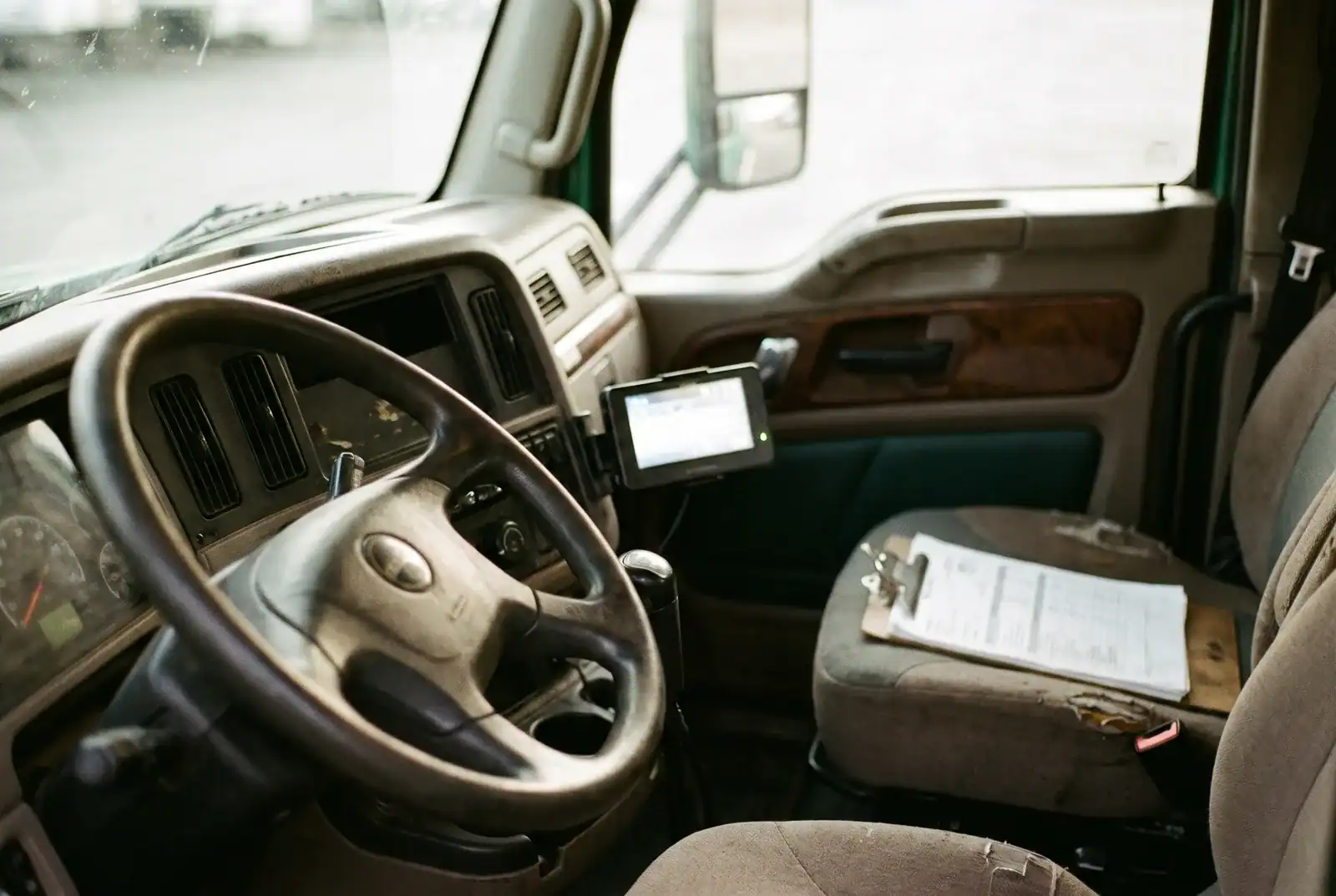

Who else could be responsible besides the driver
In a crash between two cars, the question is usually which driver caused it. In a truck crash there can be several companies behind the truck. Depending on the facts, a claim may involve any of these.
The truck driver
What the driver did in the minutes before the crash: speed, lane changes, following distance, a phone, or how long they had been driving.
The trucking company
The company that employed the driver or put the truck on the road, and the choices it made about hiring, training, schedules and upkeep.
A broker or shipper
The business that arranged the load or chose the carrier, and the deadlines it set for delivery.
Whoever loaded the cargo
A load that was too heavy, badly balanced or not tied down can change how a truck brakes, turns and stays upright.
A maintenance company
Outside shops that worked on the brakes, tires or lights, and whether the work was done and recorded.
A parts maker
When a part fails, such as a brake component or a tire, the company that made it may be part of the picture.
Whether any of them is legally responsible depends on the facts and on Georgia and federal law. Working that out, and finding every insurance policy that applies, is the first part of the work on a truck case.
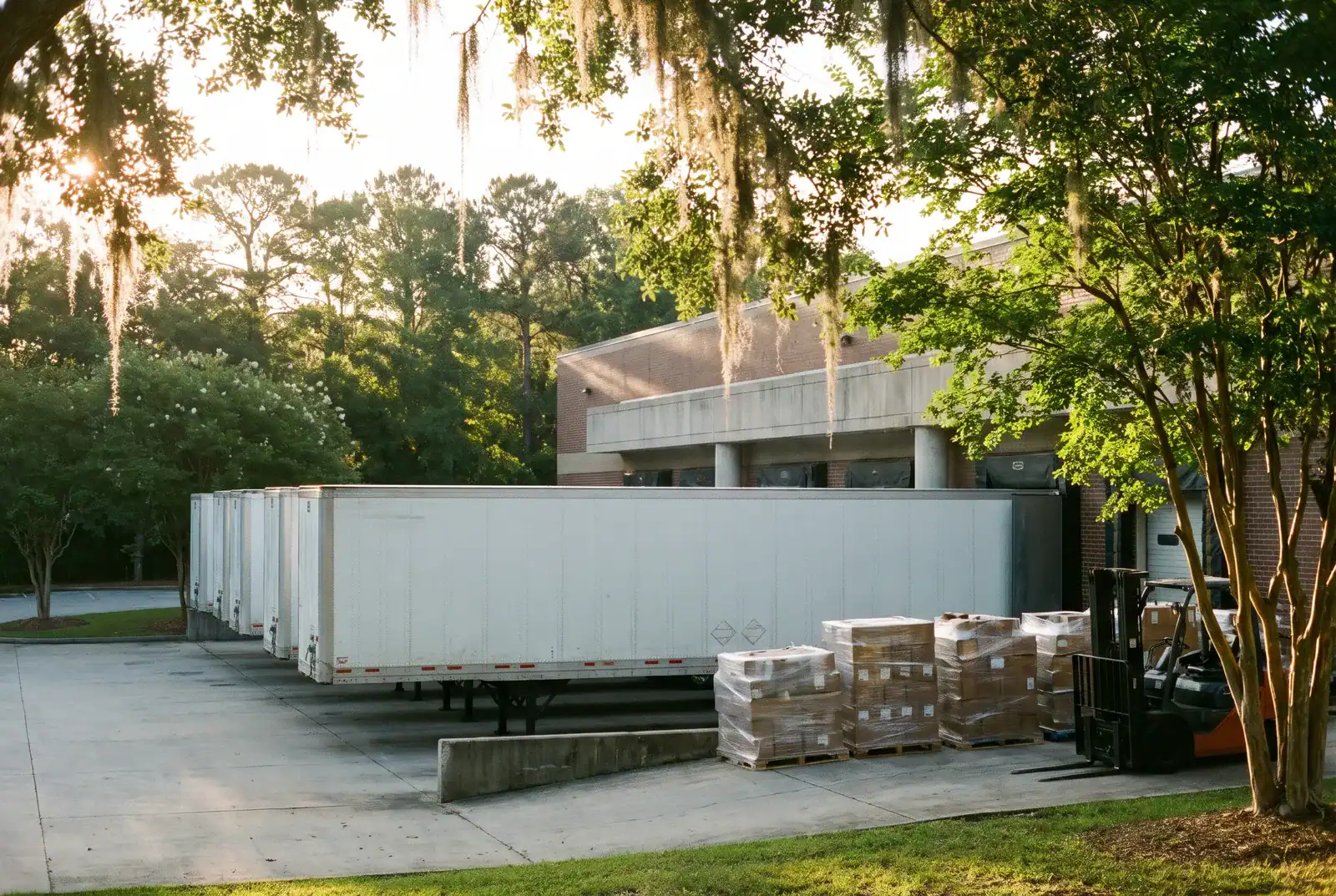
The evidence in a truck case, and who holds it
Trucks and trucking companies create records that cars never do. Interstate carriers are regulated by the Federal Motor Carrier Safety Administration (FMCSA), which sets rules on driver qualifications, inspections and how long a driver may be on duty.
Most of these records are in the company's hands, not yours. A written request to preserve them is often one of the first letters a lawyer sends after a truck crash. Your own Georgia crash report is a useful starting point, but it is only one piece.
Electronic logging device (ELD). The record of the driver's hours on duty and behind the wheel.
Event data recorder. The truck's “black box,” which can capture speed, braking and other data around a crash.
Driver qualification file. The driver's commercial driver's license (CDL), record and the company's hiring checks.
Maintenance and inspection records. What was checked, what was fixed, and what was not.
The carrier's USDOT number and safety record. Federal records tied to the company that operated the truck.
Dispatch, load and camera records. Where the truck was sent, what it carried, and any dash or road camera video.

John spent years representing insurance companies
John Winkenwerder spent years at Atlanta defense firms representing insurance companies and Fortune 500 corporate clients. In a truck case, the company and its insurer start building their side of the story early. Knowing how that side values a claim, and what it looks for, shapes how we put ours together.
“When a file is complete, organized, and clearly headed for suit, it gets evaluated differently. That is not intimidation. That is just what preparation looks like from the other side of the table.”
If your case goes into suit, it is not handed to a different team. See how we run a case or read about John.
Common kinds of truck crashes
Jackknife. The trailer swings out at an angle to the cab, often across more than one lane.
Underride. A smaller vehicle slides under the back or side of a trailer.
Rollover. The truck tips onto its side, sometimes after a turn taken too fast or a shifting load.
Wide turns. A truck swings left to make a right turn, or right to make a left, and catches a car in the gap.
Blind spots and rear-end crashes. A truck changes lanes into a car the driver did not see, or cannot stop in time behind traffic.
Trucks and commercial vehicles we handle
Tractor-trailers and 18-wheelers, box trucks, delivery vans, dump trucks, garbage trucks, tankers, and other vehicles driven for work. If the vehicle was on the road for a business, the same questions apply.
Truck crashes in and around Atlanta
Freight moves through Atlanta every day on I-285, I-75, I-85 and I-20, and through industrial areas such as Fulton Industrial Boulevard. Our office is in Atlanta, and we take truck cases from anywhere in Georgia. See the areas we serve.

Questions about truck accident claims
Do I have to talk to the trucking company's insurance adjuster?
You do not have to give the trucking company's insurer a recorded statement the day after a crash. Once you have a lawyer, the insurer deals with your lawyer, and you still decide every major step yourself.
How long do I have to file a truck accident lawsuit in Georgia?
In Georgia, a lawsuit for injuries from a crash generally has to be filed within two years of the date of the crash. Some situations change that deadline, so the safest course is to have it checked early. If a city, county or state vehicle was involved, there is an earlier notice deadline.
What if the truck driver says the crash was my fault?
Georgia lets you recover damages when you were partly at fault, as long as you were less than 50 percent at fault. Your recovery is reduced by your share of the fault. At 50 percent or more, you recover nothing. That is why the truck's own data, and not only the driver's account, matters.
Does it cost anything to talk with you about a truck crash?
No. The case review is free, and you decide afterward whether to hire us.
Get a free case review
Fields marked required are the only ones we need.
Contacting Wink Law through this site does not create an attorney-client relationship.
Hurt in a crash with a truck?
Tell us about the crash, including the company name on the truck if you saw it. We will tell you who may be involved and which records matter in your case.